

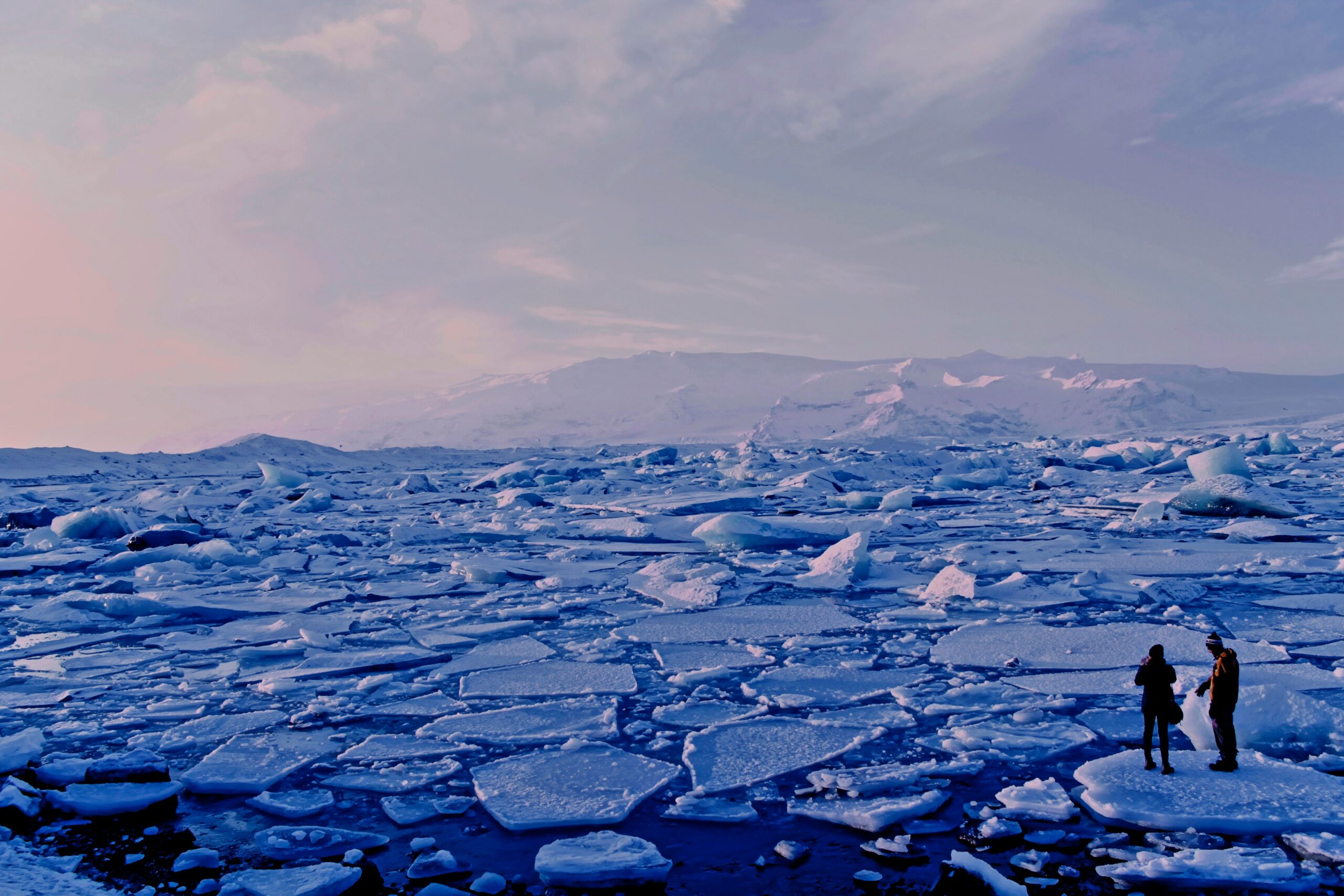
Photo by Roxanne Desgagnés on Unsplash
The frigid air in Canada and the United States is not just because of a polar vortex. At a deeper level, it is rooted in a growing coldness toward people who have come to these countries seeking protection and a chance to live at all, never mind having a better life. It is rooted in an “us” vs “them” and a dangerously mushroomed and deceived sense of the need for self-preservation in a climate of manufactured scarcity.
Driven by politics and personal fear, there is a struggle to the point of cold resistance to show compassionate solidarity regarding the plight of people who have been forcibly displaced through oppression and persecution. We have, instead, chosen exclusionary policy and policing, division and finger-pointing.
To the south, Cartagena+40: The Chile Declaration and Plan of Action is working to consolidate regional leadership in the protection of refugees, displaced and stateless people. Countries in South America and the Caribbean have committed to demonstrating what can be done through the lens of compassion, collaboration, and focus on long-term outcomes.
They arrived at this commitment through “consultations that brought together Governments, refugee- and displaced-led organizations, local authorities, civil society, national human rights organizations, academia, international organizations, the private sector, development actors, and financial institutions.”
AND
“[it] engages multiple stakeholders under a comprehensive approach across all displacement phases from a human rights perspective – based on responsibility sharing, solidarity and international cooperation.”
AND
“…the Plan of Action aims to improve access to basic services, employment, identity documents and inclusion. It promotes the validation of diplomas, job training, and the creation of employment networks in collaboration with the private sector. It also fosters resettlement, family reunification, and safe return programmes. Notably, the Plan is not only promoting local integration within host countries and reintegration in countries of origin, but it also aims to encourage the participation of local communities in policymaking.
Why can’t we do the same here?
Who have we become that we prefer the chill effect rather than warm solutions?
Are we so afraid of what our future will look like that we can’t make room for others to have a future at all?